Table of Contents
- Assess the Item and Plan Your Approach
- Prepare Your Space and Protect Surfaces
- Gather Heavy Furniture Removal Safety Equipment
- Remove Drawers, Hardware, and Detachable Parts
- Execute Proper Lifting Techniques for Heavy Items
- When to Call Professional Antique Furniture Removal Services
- Common Mistakes and Insurance Considerations
- Frequently Asked Questions
Last Updated: September 25, 2026
Assess the Item and Plan Your Approach
Before you touch a heavy antique piece, stop and evaluate what you're dealing with. The first step in safely removing heavy antique items is understanding the item's construction, weight distribution, and potential vulnerabilities. Antique furniture often has weak joints, delicate veneers, or structural issues that aren't visible at first glance.
Take time to examine the piece from all angles. Check for loose hardware, cracks in wood, or areas where the finish is compromised. Measure doorways, hallways, and stairwells where you'll need to move the item. A piano that fits through a living room door might not fit through the basement stairwell at an angle.
Document the item's condition with photos. This matters for insurance purposes and helps professional movers understand what they're working with. If you're uncertain about the piece's stability or value, consult with an antique appraiser before attempting removal.
Prepare Your Space and Protect Surfaces
Your floors and walls are vulnerable during removal. Protecting surfaces prevents costly damage that can exceed the cost of hiring professional help. Start by clearing the path completely. Remove rugs, cords, and obstacles that could cause trips or punctures in protective materials.
Lay down moving blankets or cardboard along the entire route. Hardwood floors, tile, and marble tops are especially prone to scratches and dents. Use furniture sliders under heavy items when possible, but only on surfaces that can handle them. Walls need protection too, use corner guards or padding where the furniture will pass through doorways.
If you're removing multiple items, establish a staging area outside. This prevents repeated trips through the house and reduces the chance of accidents. Creating a clear, protected pathway before you begin any heavy lifting prevents most damage and keeps the process safer for everyone involved.
Gather Heavy Furniture Removal Safety Equipment
Proper equipment transforms a dangerous job into a manageable one. You'll need moving blankets for wrapping and padding, shrink wrap for keeping parts together, and furniture dollies designed for heavy loads. Lifting straps or moving harnesses distribute weight across your body and reduce strain on your back and shoulders.
Essential equipment for safely removing heavy antique items includes:
- Moving blankets - thick quilted pads that protect surfaces and cushion the furniture
- Furniture dollies - wheeled platforms rated for the item's weight
- Lifting straps - distributes weight across your shoulders and core instead of your arms
- Protective padding - bubble wrap or foam for delicate details and carved surfaces
- Shrink wrap - keeps drawers, doors, and hardware secure during transport
- Furniture sliders - plastic discs that reduce friction on floors
- Tape and markers - for labeling parts and securing wrapping
Check weight limits on all equipment before use. A furniture dolly rated for 500 pounds won't safely handle a 700-pound antique dresser. Underestimating weight is one of the most common mistakes when removing heavy antique items.
Remove Drawers, Hardware, and Detachable Parts
Reducing weight before moving makes the job dramatically easier and safer. Remove every drawer, shelf, and hardware piece that comes off without tools. Each drawer you remove can cut 50-100 pounds from the total load.
Take photos of the interior before removing anything. This helps you remember how to reassemble the piece correctly. Place hardware in labeled bags taped to the back or inside of the furniture. Drawer pulls, handles, and decorative pieces should be wrapped separately to prevent loss or damage.
For antique pieces with intricate hardware or delicate drawer slides, handle removal slowly. Forcing stuck drawers damages the wood and the slides. If a drawer won't budge, apply a small amount of lubricant and wait before trying again. Never pry or hammer, patience prevents expensive repairs.
Execute Proper Lifting Techniques for Heavy Items
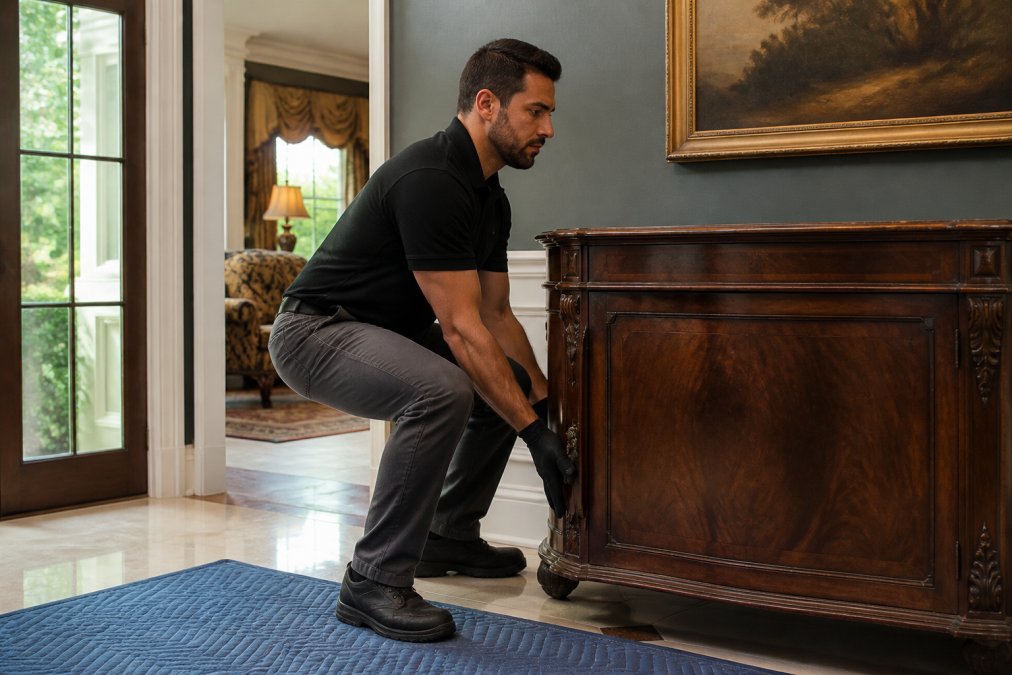
How you lift determines whether you walk away pain-free or injured. Most back injuries happen during furniture removal because people lift with their backs instead of their legs.
Proper technique for safely removing heavy antique items means:
- Keep your feet shoulder-width apart for balance
- Engage your core muscles before lifting
- Avoid twisting your spine while holding weight
- Take breaks every 15-20 minutes
- Never lift above shoulder height
When to Call Professional Antique Furniture Removal Services
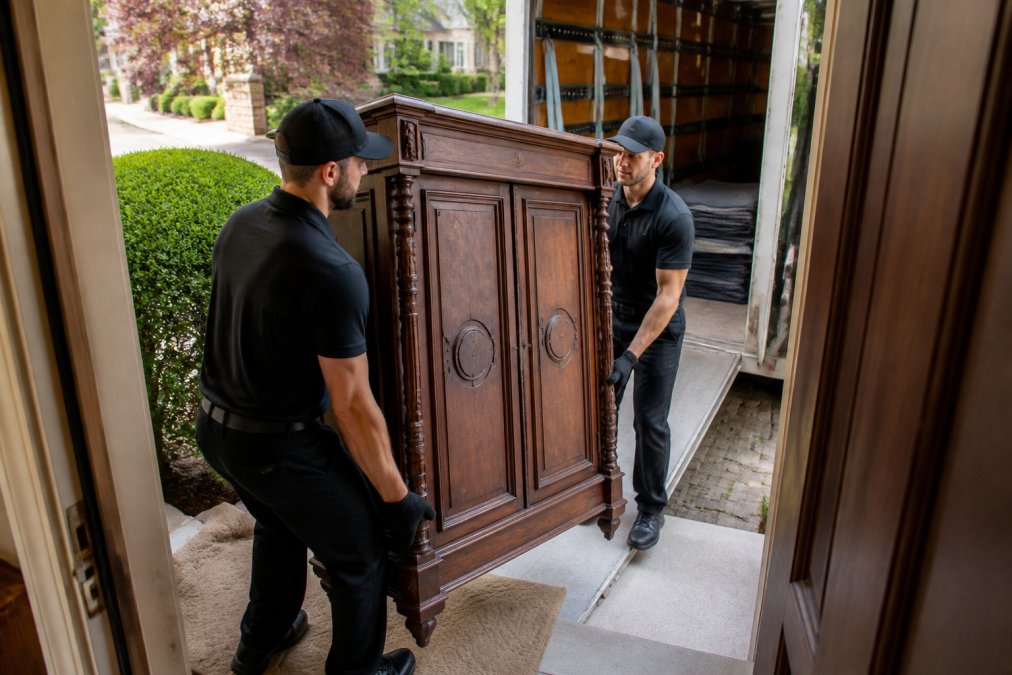
Some situations demand professional help. If the piece is extremely valuable, fragile, or too heavy for safe handling, hiring specialists prevents costly mistakes. Professional movers have insurance, proper equipment, and experience with antique furniture that DIY efforts can't match.
Consider professional help if:
- The item weighs more than 150 pounds
- It has significant monetary or sentimental value (appraised above $5,000)
- Your home has narrow doorways, tight stairwells, or complex layouts
- You lack proper moving equipment or physical capability
- You have mobility limitations or health concerns
- The piece requires climate-controlled transport or storage
- You're moving the item across state lines or long distances
Climate Control and Long-Distance Transport
When moving heavy antiques long distances:
- Use moving companies that offer climate-controlled trucks (temperature maintained between 65-75°F, humidity between 35-55%)
- Avoid standard moving trucks, which expose items to temperature swings and humidity changes that can cause permanent damage
- Plan for gradual acclimation if the destination climate differs significantly from the origin; allow 2-4 weeks for the piece to adjust before placing it in its final location
- If storing the item temporarily, rent climate-controlled storage units rather than standard units; costs typically run $100-$300 per month depending on size and location
Professional Moving vs. DIY: The Decision Framework
Professional antique furniture removal services handle the heavy lifting, protect your floors and walls, and provide insurance coverage. For estate cleanouts or removing multiple antique items, professionals save time and reduce stress. Most full-service moving companies offer:
- Trained crews experienced in handling delicate and heavy pieces
- Insurance coverage for accidental damage during transport
Common Mistakes and Insurance Considerations
The biggest mistake people make when removing heavy antique items is underestimating the difficulty. What looks straightforward often involves awkward angles, unexpected weight shifts, and structural surprises. Attempting a difficult removal without proper help leads to injuries, property damage, or damage to the antique itself.
Insurance and Valuation for High-Value Antiques
Before removing a valuable piece, contact your insurance agent to:
- Request a formal appraisal from a certified antique appraiser (costs typically range from $150-$500 depending on the item's complexity)
- Confirm whether your homeowner's policy covers the item's full replacement value
- Ask about scheduled personal property endorsements, which allow you to insure specific high-value items for their appraised amount
- Clarify whether your policy requires professional movers for items above a certain value (many do for pieces valued over $5,000)
Document everything before, during, and after removal:
- High-resolution photos of the item from all angles, including close-ups of joints, finishes, and any repairs
- Video walkthrough showing the item's current condition and the removal process
- Written condition report noting any pre-existing damage, loose hardware, or structural concerns
- Receipts for any professional appraisals, moving equipment, or professional services
- Insurance policy numbers and coverage limits for reference
Frequently Asked Questions
What is the safest way to move heavy antique furniture?
The safest approach involves three key steps: first, reduce the item's weight by removing drawers, hardware, and detachable parts; second, use proper lifting techniques by bending at the knees, keeping your back straight, and lifting with your legs rather than your back; third, use equipment like furniture dollies and moving blankets to distribute weight evenly and protect surfaces. Always move slowly and deliberately, and never attempt to move an item that feels too heavy for your group. If you have any doubt about your ability to safely handle the piece, professional antique furniture removal services are the better choice.
What tools are required for moving heavy, fragile antiques?
Essential tools include furniture dollies with adequate weight capacity, moving blankets for protective padding, bubble wrap and shrink wrap for fragile components, securing straps to prevent shifting, microfiber cloths for delicate surfaces, and a dolly or hand truck with proper wheel design. For items with marble tops, glass shelves, or ornate details, add furniture pads and additional protective materials. A basic furniture disassembly kit with screwdrivers may be necessary to remove drawer pulls, casters, and legs. Ensure all equipment is rated for the item's weight before beginning work.
How do I protect hardwood floors when removing heavy furniture?
Use moving blankets or furniture pads under all furniture contact points and beneath dollies to distribute weight and prevent scratches. Lay protective plastic sheeting or cardboard along your pathway before moving begins. For especially heavy items, use plywood sheets under dolly wheels to spread the load across a larger floor area. Avoid dragging furniture directly on hardwood; always use dollies or sliders. Moving blankets should be secured with tape to prevent shifting during transport, and remove protective materials only after the item is fully positioned in its new location.
Should I hire professionals for removing heavy antique items?
Professional removal is recommended if the item weighs more than 200 pounds, has delicate or irreplaceable components, requires disassembly in tight spaces, or needs climate-controlled transportation. Professionals have specialized equipment, insurance coverage, and experience with load distribution and structural integrity concerns that DIY moves lack. For valuable antiques, professional services protect your investment through proper handling, protective padding, and damage prevention protocols. Evaluate your space constraints, physical capability, and the item's value before deciding; when in doubt, professional antique furniture removal services provide peace of mind and protect both the furniture and your home.
Safely removing heavy antique items requires planning, proper equipment, and realistic assessment of your abilities. The difference between a smooth removal and a disaster often comes down to preparation and knowing when to call professionals. Load & Leave handles the complexity for you with transparent pricing, floor protection, and the expertise that comes from years of careful removals. Get a free quote today and let their team take the weight off your shoulders.
Frequently asked questions
The safest approach involves three key steps: first, reduce the item's weight by removing drawers, hardware, and detachable parts; second, use proper lifting techniques by bending at the knees, keeping your back straight, and lifting with your legs rather than your back; third, use equipment like furniture dollies and moving blankets to distribute weight evenly and protect surfaces. Always move slowly and deliberately, and never attempt to move an item that feels too heavy for your group. If you have any doubt about your ability to safely handle the piece, professional antique furniture removal services are the better choice.
Essential tools include furniture dollies with adequate weight capacity, moving blankets for protective padding, bubble wrap and shrink wrap for fragile components, securing straps to prevent shifting, microfiber cloths for delicate surfaces, and a dolly or hand truck with proper wheel design. For items with marble tops, glass shelves, or ornate details, add furniture pads and additional protective materials. A basic furniture disassembly kit with screwdrivers may be necessary to remove drawer pulls, casters, and legs. Ensure all equipment is rated for the item's weight before beginning work.
Use moving blankets or furniture pads under all furniture contact points and beneath dollies to distribute weight and prevent scratches. Lay protective plastic sheeting or cardboard along your pathway before moving begins. For especially heavy items, use plywood sheets under dolly wheels to spread the load across a larger floor area. Avoid dragging furniture directly on hardwood; always use dollies or sliders. Moving blankets should be secured with tape to prevent shifting during transport, and remove protective materials only after the item is fully positioned in its new location.
Professional removal is recommended if the item weighs more than 200 pounds, has delicate or irreplaceable components, requires disassembly in tight spaces, or needs climate-controlled transportation. Professionals have specialized equipment, insurance coverage, and experience with load distribution and structural integrity concerns that DIY moves lack. For valuable antiques, professional services protect your investment through proper handling, protective padding, and damage prevention protocols. Evaluate your space constraints, physical capability, and the item's value before deciding; when in doubt, professional antique furniture removal services provide peace of mind and protect both the furniture and your home.