
Table of Contents
- Open House Checklist for Sellers: Your 2026 Game Plan
- How to Declutter a House for Sale Without Losing Your Mind
- Open House Cleaning Checklist: What Buyers Actually Notice
- How Long Does It Take to Prepare a Home for an Open House?
- Curb Appeal and Entryway: First Impressions Start Outside
- Lighting, Temperature, and Scent: Setting the Right Mood
- Furniture Arrangement and Room Flow for Better Showings
- Security, Privacy, and Pet Planning for Open House Day
- Frequently Asked Questions
Last Updated: October 12, 2026
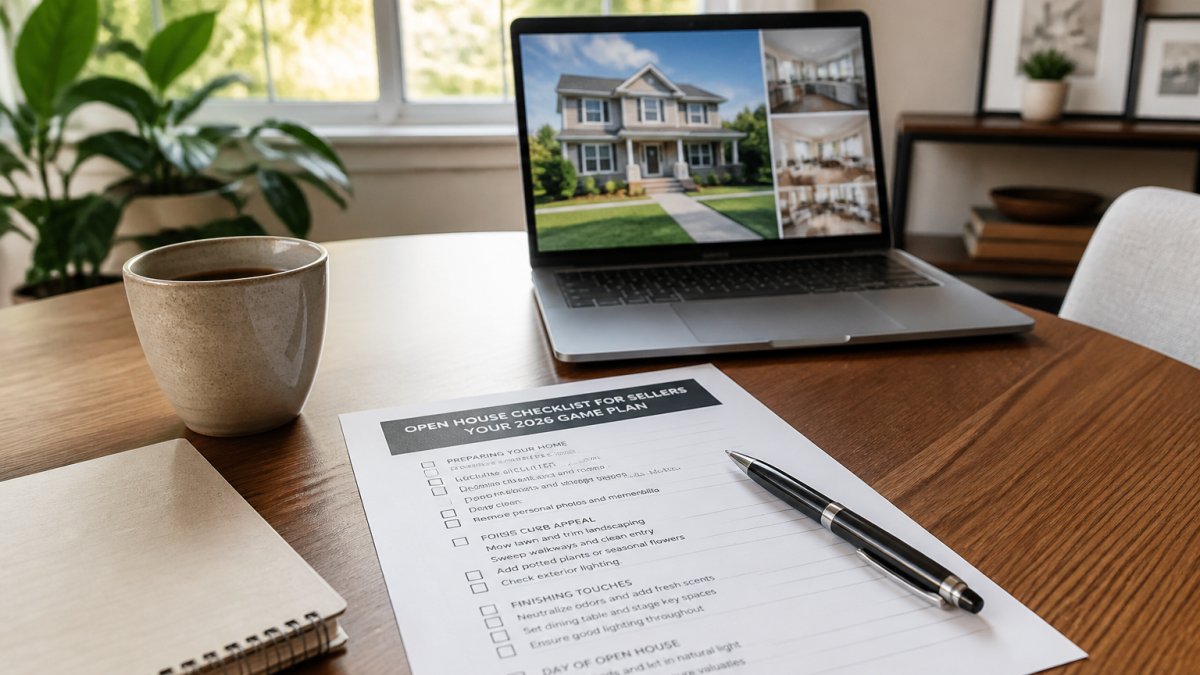
Open House Checklist for Sellers: Your 2026 Game Plan
Learning how to prepare a home for an open house in 2026 comes down to one idea: buyers decide fast, and they decide on feeling. A clean, bright, neutral home reads as "move-in ready." A cluttered one reads as work. That gap shows up in offers.
This guide breaks the whole process into a simple timeline. We handle junk removal and clearing for sellers across Oakland County.
Here is the short version: declutter and depersonalize first, clean and repair second, then handle curb appeal, light, scent, and flow on the final day.
Two Weeks Out: Declutter and Depersonalize
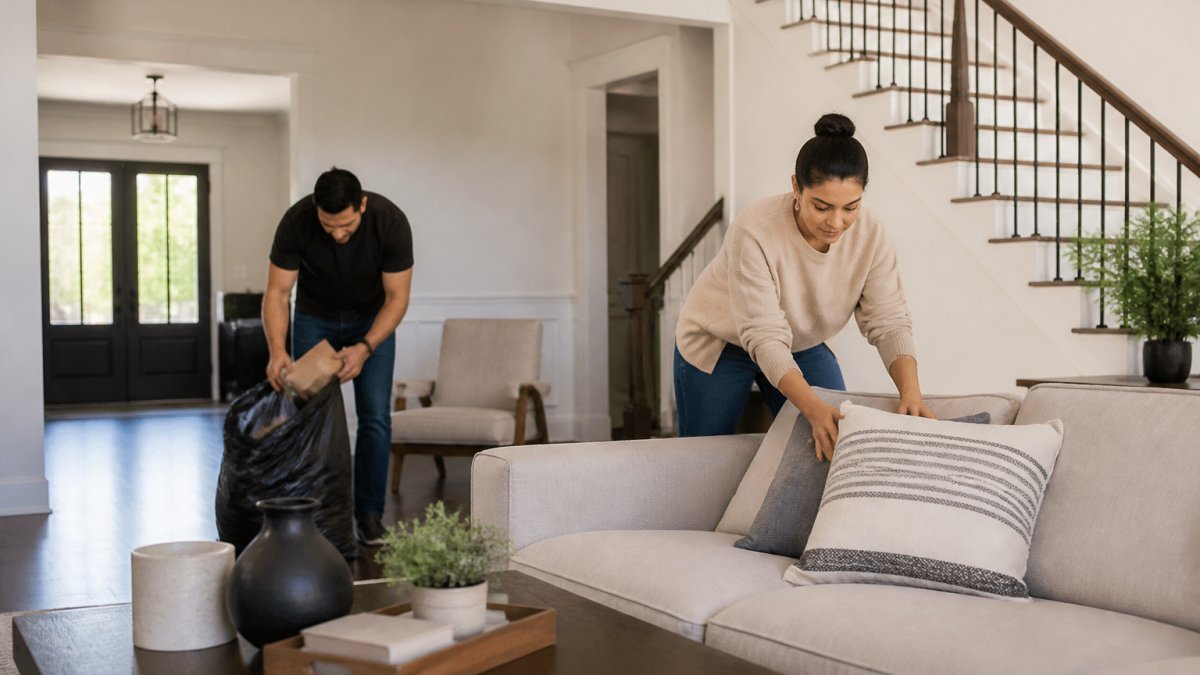
Start with the biggest job while you still have time to spare. Walk each room and sort everything into three piles: keep, donate, and remove.
- Pack up family photos, awards, and personal collections
- Clear countertops, shelves, and the fridge door
- Remove oversized furniture that makes rooms feel small
- Empty closets by half so they look roomy
- Haul away broken items, old paint, and garage clutter
This is the step where a junk removal crew saves you days. Load & Leave offers same-day availability and custom quotes.
Three Days Out: Deep Clean and Repair
Now the home is clear. Clean like a buyer is inspecting, because they are.
- Wash windows inside and out
- Scrub grout, baseboards, and light switches
- Fix dripping faucets, loose handles, and squeaky doors
- Patch nail holes and touch up paint
- Replace burned-out bulbs
Small repairs signal a well-kept home. Skipped ones make buyers wonder what else is broken.
How to Declutter a House for Sale Without Losing Your Mind
The trick to decluttering a house for sale is to work room by room, not house-wide. Pick one space, finish it, then move on. Half-finished rooms create more stress, not less.
Follow this order:
- Start with storage areas: closets, garage, basement
- Move to living spaces buyers see first
- Finish with bedrooms and bathrooms
- Label every box you keep, then store it off-site
A common mistake is renting a storage unit and filling it with things you will never use again. If you have not touched it in a year, let it go. Load & Leave clears single items or full homes. Our crew protects floors and works with discretion.
Open House Cleaning Checklist: What Buyers Actually Notice
Buyers notice three things fast: smell, light, and grime in high-touch spots. An open house cleaning checklist should target those first.
| Area | What to Clean | Why It Matters |
|---|---|---|
| Kitchen | Counters, sink, stovetop, cabinet fronts | Buyers open everything |
| Bathrooms | Grout, mirrors, toilets, fixtures | Grime reads as neglect |
| Entryway | Door, floors, light switch | First touch point |
| Windows | Glass, sills, blinds | Light sells rooms |
| Floors | Vacuum, mop, edges | Shows care |
Do the deep clean two days before, then a quick refresh the morning of. Keep cleaning supplies out of sight during the showing.
How Long Does It Take to Prepare a Home for an Open House?
Most sellers spend two to three weeks of part-time work, or roughly 20 to 40 hours, getting a home ready. The number swings based on how much clutter you are storing, how many small repairs are pending, and whether you hire out the heavy lifting. What matters more than the total is the order you do things in.
Use this timed plan so you are never guessing what to prioritize.
One Week Before: The Heavy Lifting Window
This is your window for anything that creates dust, noise, or a mess. Once you are inside 72 hours, you want the home quiet and presentable.
- Declutter room by room, starting with closets, garage, and basement
- Book junk removal or a donation pickup so items leave the property, not the closet
- Schedule any contractor work: paint touch-ups, grout repair, HVAC service
- Deep clean carpets and upholstery so they have time to dry
- Wash exterior windows and power-wash the driveway and walkway
- Confirm your open house date and time with your agent
Three Days Before: Clean, Repair, Reset
Repairs are done. Now you make the home read as cared for.
- Deep clean kitchens and bathrooms, including grout, vents, and cabinet fronts
- Patch nail holes, touch up paint, and replace burned-out bulbs
- Fix dripping faucets, loose handles, and squeaky doors
- Clear countertops, fridge doors, and entryway surfaces
- Stage each room and photograph it so you can reset it fast on show day
The Day Before: Staging and Logistics
- Set furniture for clear walking paths and good sight lines
- Wash and fold or hide all laundry, towels, and dishes
- Prep pet, child, and accessibility plans (see the safety section below)
- Set out fresh doormats and potted plants at the entry
- Confirm your agent's arrival time and any signage needs
The Final Hour: The Walkthrough
- Open every blind and curtain; turn on all lights
- Set the thermostat to a comfortable temperature
- Air the home out; skip heavy fragrances
- Wipe high-touch spots: light switches, handles, remote controls
- Put away cleaning supplies, trash bins, and pet gear
- Do one slow walk from the front door to the back, looking at the home the way a buyer will
Curb Appeal and Entryway: First Impressions Start Outside
Curb appeal decides whether a buyer walks in already impressed or already doubtful. Spend one full day outside before you touch the inside.
- Mow, edge, and water the lawn
- Trim bushes away from windows
- Power-wash the driveway and walkway
- Paint or replace the front door hardware
- Add a clean doormat and two potted plants
The entryway matters just as much. Clear shoes, coats, and mail. A clear path from the front door tells buyers the whole home is cared for.
Lighting, Temperature, and Scent: Setting the Right Mood
Light, warmth, and smell shape how a home feels in the first ten seconds. Get these three right and the rest of the tour runs smoother.
- Open every blind and curtain
- Turn on all lights, even at midday
- Replace dim bulbs with warm white ones
- Set the thermostat to a comfortable temperature
- Air the home out before guests arrive
Skip strong fragrances. Heavy candles and plug-ins read as cover-up. A neutral scent, or none at all, works better. Bake something light or open a window instead.
Furniture Arrangement and Room Flow for Better Showings
Furniture arrangement should make each room easy to walk through. If buyers have to sidestep, the room feels smaller than it is.
Pull furniture away from walls and create clear paths. Face seating toward a focal point like a window or fireplace. Remove pieces that block doorways or crowd the flow.
In practice, less furniture always looks better. A few well-placed pieces beat a full room every time.
Security, Privacy, and Pet Planning for Open House Day
Open house day is about safety as much as style. Strangers will walk through every room, open closets, and look under sinks. A little planning protects your belongings, your family, and your peace of mind, and it makes the home easier for buyers to tour.
Securing Valuables, Documents, and Devices
- Lock jewelry, medications, passports, and financial documents in a safe or take them with you
- Remove mail, bills, and anything with your name, address, or account numbers visible
- Take down or turn off personal photo frames, diplomas, and awards that identify your family
- Log out of computers, tablets, and smart displays; disable voice assistants so they cannot be triggered
- Check that security cameras and doorbell cameras are working, and tell your agent where they are
- Keep a written inventory of anything high-value you leave in the home
A common pattern is to treat the open house like a short trip: if you would not leave it in a hotel room, do not leave it on a counter.
Pet Planning That Keeps Buyers Comfortable
Pets are a top reason showings go sideways. Even friendly animals can be stressed by strangers, and buyers may be allergic or nervous.
- Board pets or take them to a friend's home for the full showing window
- If boarding is not possible, walk them during the open house rather than crating them in view
- Store bowls, beds, toys, litter boxes, and leashes out of sight
- Vacuum and lint-roll furniture, and air out rooms pets spend time in
- Note any pet-related repairs (scratched doors, stained carpet) and address them before show day
Managing Kids, Toys, and Equipment
- Tidy toys into labeled bins and store them in a closet or off-site
- Clear baby gates, playpens, and high chairs from main walking paths
- Remove artwork and height charts from walls if they are highly personal
- Plan a quiet activity or a day out for children during the showing
Keeping Routes Accessible for Every Visitor
Buyers may arrive with strollers, wheelchairs, canes, or service animals. A home that is easy to move through reads as well cared for.
- Keep a clear path from the front door through every room
- Remove loose rugs and cords that could trip someone
- Make sure exterior walkways are clear of hoses, toys, and yard tools
- Leave interior doors open so visitors do not have to guess where to go
- If the home has steps, note them for your agent so they can guide visitors
Frequently Asked Questions
How long does it take to prepare a home for an open house?
Most sellers need two to three weeks of focused effort. If your home is already tidy, a weekend of deep cleaning and staging may suffice. cluttered homes or those needing repairs can take longer. A realistic timeline includes two weeks for decluttering and depersonalizing, three days for deep cleaning, and one day for final touches like fresh flowers and lighting adjustments.
What should I remove from my home before an open house?
Remove personal items like family photos, diplomas, and religious artifacts. Clear countertops, refrigerators, and bathroom vanities of daily clutter. Store valuables, prescription medications, and financial documents in a locked safe or off-site. Pet items, including bowls, toys, and litter boxes, should also be removed. The goal is to let buyers imagine themselves in the space without distraction.
Should I declutter before staging a home for sale?
Yes, decluttering always comes first. Stagers work with the space you have, so removing excess furniture, clothing, and knickknacks gives them a cleaner canvas. Start with closets, cabinets, and storage areas, since buyers open those during showings. A professional junk removal service can haul away unwanted items quickly, especially for estate cleanouts or garage purges.
What should sellers do with pets during an open house?
Arrange for pets to be out of the home during the open house. Board them, take them to a friend's house, or schedule a dog walker for the entire showing window. Remove pet beds, bowls, toys, and litter boxes. Vacuum thoroughly and use a neutral odor eliminator. Some buyers have allergies or fear of animals, and a barking dog can cut a showing short.
Preparing a home for an open house is a lot of work, and the clutter is usually the hardest part. Load & Leave makes it simple. We offer same-day availability, custom quotes with no hidden fees, and floor protection with total discretion from first call to final sweep. As a locally owned crew, not a national franchise, we clear single items or full homes on your schedule. Get a free quote from Load & Leave and walk into your open house with a home that is truly ready.
Frequently asked questions
Most sellers need two to three weeks of focused effort. If your home is already tidy, a weekend of deep cleaning and staging may suffice. cluttered homes or those needing repairs can take longer. A realistic timeline includes two weeks for decluttering and depersonalizing, three days for deep cleaning, and one day for final touches like fresh flowers and lighting adjustments.
Remove personal items like family photos, diplomas, and religious artifacts. Clear countertops, refrigerators, and bathroom vanities of daily clutter. Store valuables, prescription medications, and financial documents in a locked safe or off-site. Pet items, including bowls, toys, and litter boxes, should also be removed. The goal is to let buyers imagine themselves in the space without distraction.
Yes, decluttering always comes first. Stagers work with the space you have, so removing excess furniture, clothing, and knickknacks gives them a cleaner canvas. Start with closets, cabinets, and storage areas, since buyers open those during showings. A professional junk removal service can haul away unwanted items quickly, especially for estate cleanouts or garage purges.
Arrange for pets to be out of the home during the open house. Board them, take them to a friend's house, or schedule a dog walker for the entire showing window. Remove pet beds, bowls, toys, and litter boxes. Vacuum thoroughly and use a neutral odor eliminator. Some buyers have allergies or fear of animals, and a barking dog can cut a showing short.