
Table of Contents
- What Probate Removal Actually Means
- Can You Clean Out a House During Probate
- Floor Protection During Furniture Removal
- Estate Inventory Checklist Before Removal Begins
- How Long Does a Probate Cleanout Take
- Maintaining Total Discretion and Confidentiality
- Coordinating Legal Proceedings With Property Access
- Protecting Valuables and Sensitive Documents
- Frequently Asked Questions
Last Updated: October 11, 2026
What Probate Removal Actually Means
Probate removal typically refers to the physical removal of property and contents from a home during probate administration, though it can also mean removing an executor from their duties for breach of fiduciary duty or fraud, a matter requiring floor protection discretion probate oversight.
During probate, an estate's contents must be cleared, inventoried, and removed while the estate remains under court supervision.
Physical removal has real legal implications. Moving items without proper documentation or executor approval creates liability. Discretion and floor protection during furniture removal matter because they protect the estate legally.
Can You Clean Out a House During Probate
Only the executor or personal representative can authorize removal during probate. Understanding the source and limits of this authority is essential to avoiding liability.
The Executor's Authority to Authorize Removal
The executor's authority comes from the probate court through Letters Testamentary (with a will) or Letters of Administration (intestate cases). This court order is the legal foundation for all removal decisions.
However, this authority is not absolute. The executor holds property in a fiduciary capacity and must act in the estate's best interest. Every removal decision must be defensible as necessary for estate administration.
Most states grant executors broad powers to manage and sell estate property, though some require court approval for major transactions or significant asset disposal.
What Must Happen Before Removal Begins
Before any property leaves the house, several legal prerequisites must be met:
1. The executor must have been formally appointed with court-issued Letters. Without Letters, the executor has no legal authority to act.
2. A complete inventory must be prepared and filed with the court (typically within 30-90 days of appointment). Removing items before filing creates gaps in the legal record and can trigger disputes.
3. The executor must determine which items are being removed and why. Legitimate reasons include clearing a home for sale or donating items. Removal to hide assets or avoid appraisal breaches fiduciary duty.
4. Beneficiaries should be notified of the removal plan. This transparency prevents disputes and demonstrates good faith.
5. Valuable items should be appraised before removal. Professional appraisals establish value for tax purposes and protect against undervaluation claims.
State-Specific Requirements
State rules vary. California requires court approval for real property sales; New York requires inventory and accounting filings; Florida requires beneficiary notice. Consult the executor's attorney if unsure whether court approval is needed.
Liability If Removal Is Unauthorized
Unauthorized removal can result in beneficiary lawsuits, court surcharges, removal from office, or criminal liability. Written executor approval grounded in court-granted authority prevents most legal complications.
Timing and Coordination
Early removal should be minimal and carefully documented. Once the inventory is filed and valuations are complete, removal can proceed more freely. Professional coordination confirms executor authority, verifies filings, and documents all decisions to protect the estate and executor.
Floor Protection During Furniture Removal
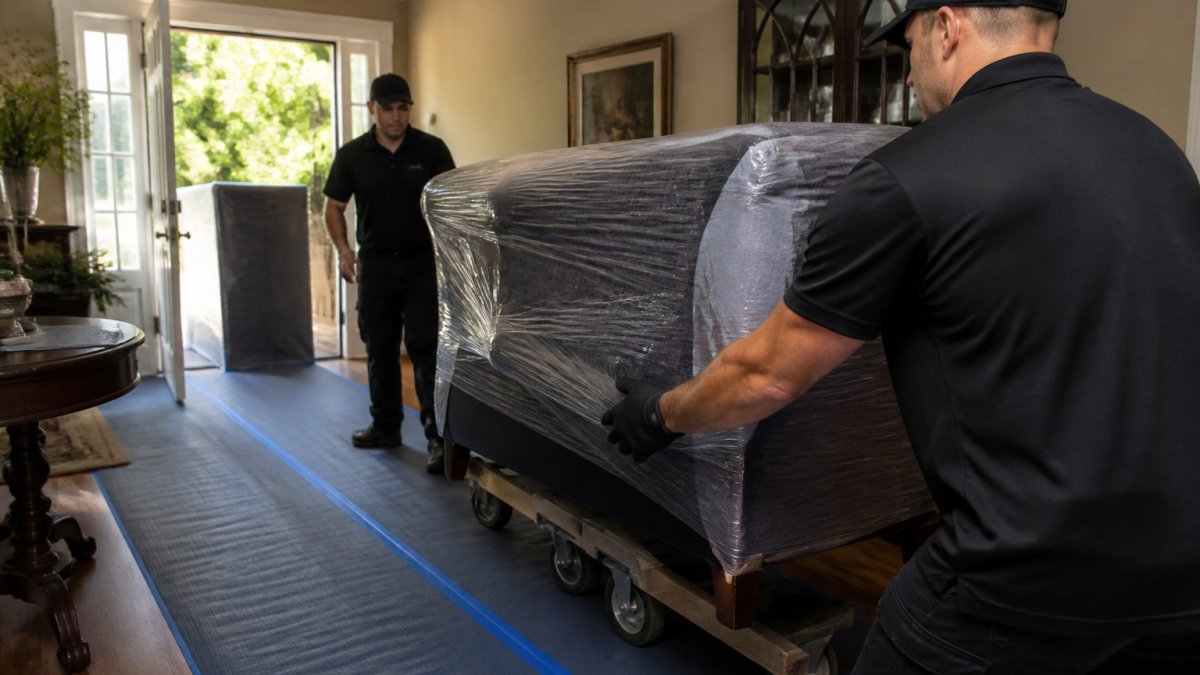
Floor protection is critical in probate situations. Valuable hardwood, marble, and tile flooring can be damaged by furniture removal, reducing estate value and creating executor liability.
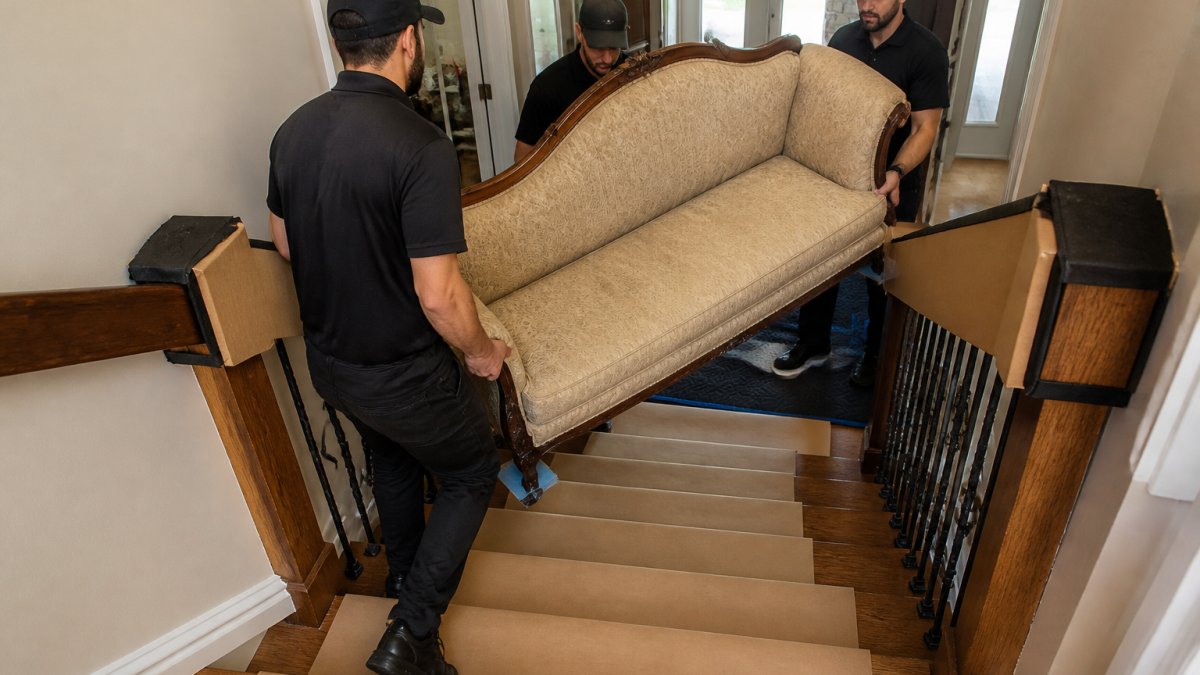
Proper protection uses kraft paper, plastic sheeting, corner guards, and felt pads. Floor damage reduces estate value and creates liability. Professional services document protection measures and inspect afterward. Hardwood requires no direct contact; marble and granite need protection from acidic materials; tile can chip easily.
Estate Inventory Checklist Before Removal Begins
A complete inventory before removal protects the executor, beneficiaries, and service providers.
| Item Category | Documentation Required | Notes |
|---|---|---|
| Furniture | Photos, dimensions, condition notes | Before and after removal |
| Valuables | Appraisals, serial numbers, photos | Jewelry, electronics, collectibles |
| Documents | Location, storage method, access notes | Legal papers, financial records |
| Hazardous items | Type, quantity, disposal method | Paint, chemicals, batteries |
| Personal effects | Beneficiary assignments, photos | Clothing, memorabilia, gifts |
| Appliances | Model numbers, working condition | For donation or disposal |
| Flooring/fixtures | Condition assessment, photos | Document baseline before work |
The inventory becomes the official record. Photographs before removal provide proof of condition. Documentation creates a paper trail protecting the estate and executor from future claims.
How Long Does a Probate Cleanout Take
The timeline depends on estate size, coordination needs, and whether items are sold, donated, or discarded. Executor responsiveness is the biggest variable. Professional coordination can compress timelines through efficient scheduling.
Maintaining Total Discretion and Confidentiality
Floor protection discretion probate means protecting family privacy and preventing neighbors from seeing what the estate contained. This requires off-peak scheduling, professional vehicles, direct removal to vehicles, limited personnel, and confidentiality. For grieving families, discretion is often as important as the physical work itself.
Coordinating Legal Proceedings With Property Access
Coordinating executor access, court inspections, and beneficiary visits while removal is underway requires careful planning and documentation.
The Executor's Duty to Maintain and Secure the Property
The executor must secure the property, maintain it in reasonable condition, and document all changes. These duties require controlling access, the executor cannot simply open the property to anyone.
Creating an Access Schedule
A clear access schedule prevents conflicts. It should include executor windows (to oversee removal), beneficiary windows (by appointment, supervised), removal crew windows (no overlap with beneficiaries), court inspection windows, and maintenance windows. This ensures the executor maintains control.
Handling Beneficiary Disputes Over Access
Beneficiaries sometimes demand access to the property or object to removal decisions. The executor must balance these demands against their fiduciary duty to manage the estate efficiently.
If a beneficiary claims they want to retrieve a specific item: The executor should require them to identify the item in writing, visit during a scheduled window, and remove it themselves or authorize the executor to do so. The executor should document what was removed and by whom.
If a beneficiary objects to the removal plan: The executor should explain the reasoning (e.g., the home is being sold, items are being donated, hazardous materials must be disposed of). If the beneficiary disputes this, they can petition the court. Until the court rules, the executor should proceed with the removal plan unless the court orders otherwise.
If a beneficiary claims the executor is hiding or stealing items: This is a serious allegation. The executor should respond by providing complete documentation of the inventory, photographs of items before removal, and records of where items went (donated, sold, discarded, etc.). If the beneficiary persists, they may file a formal complaint with the probate court, which can trigger an investigation or surcharge proceeding.
The key is documenting everything. If the executor can show a clear record of what was removed, when, where it went, and why, they can defend against almost any allegation.
Court-Ordered Inspections and Removal Timing
In some cases, the probate court orders an inspection of the property. This might happen if:
- A beneficiary files a complaint alleging the executor is mismanaging the estate.
- The estate is large or complex, and the court wants to verify the inventory.
- There are concerns about the property's condition or security.
- The executor is selling the home and the court wants to verify its condition before sale.
When a court inspection is scheduled, removal work should pause. The property should be presented in the condition the court expects to see. After the inspection, removal can resume.
If removal is already underway when an inspection is ordered, the executor should:
- Notify the removal service immediately and pause work if necessary.
- Inform the court of the removal timeline and ask whether the inspection should occur before or after removal is complete.
- Document the property's condition before and after the inspection, with photographs.
- Provide the court with a detailed removal plan, explaining what's being removed, where it's going, and why.
Most courts are reasonable about this. They understand that estates must be cleared. But they want to ensure the executor is acting in good faith and not hiding assets or allowing damage.
Practical Coordination Steps
Step 1: Create a written access schedule and provide it to all parties, the executor, beneficiaries, the removal service, and the court (if necessary). This prevents misunderstandings and conflicts.
Step 2: Require advance notice for any visits. Beneficiaries should call or email at least 24 hours before visiting. This allows the executor to ensure someone is present to supervise.
Step 3: Document all access in a log. Record who visited, when, what they did, and what they removed or claimed. This creates a paper trail.
Step 4: Secure the property between visits. Lock doors and windows. If the property is vacant, consider a security system or regular drive-bys to check for break-ins.
Step 5: Communicate regularly with the removal service. Provide them with the access schedule, inform them of any changes, and ask them to report any issues (security concerns, damage, items found that need special handling).
Step 6: Keep the court informed if there are delays, disputes, or complications. A brief email to the probate court explaining the situation can prevent misunderstandings and show the executor is acting responsibly.
Load & Leave coordinates directly with executors to establish and maintain these access windows. We work around scheduled visits and court requirements. We document what we're doing and when, so the executor always knows the property's status. We also report any security concerns, damage, or unexpected items we discover during removal. This ensures the legal proceedings and property access remain aligned throughout the probate process.
Protecting Valuables and Sensitive Documents
Some items in an estate require special handling. Antiques, jewelry, important documents, and sentimental pieces need protection beyond standard removal.
Before removal begins, these items should be identified:
- Valuable artwork or collectibles
- Jewelry or precious metals
- Important legal or financial documents
- Family photographs or memorabilia
- Items with sentimental value to beneficiaries
Each category needs a different approach. Valuable items might be photographed and appraised before removal. Documents should be secured and organized by the executor. Sentimental pieces should be clearly marked so they don't accidentally get discarded.
Load & Leave handles valuable items with extra care. We photograph them before moving. We use protective materials appropriate to their condition. We ensure they reach their designated destination safely. For sensitive documents, we work with the executor to secure them properly before any removal begins.
The goal is ensuring nothing valuable gets lost or damaged in the process. Once an item is gone, recovering it becomes difficult or impossible. Prevention through careful handling and documentation is always the better approach.
Frequently Asked Questions
Can you clean out a house during probate?
Yes, but timing and authority matter. An executor or personal representative can begin removing estate property once they have legal authority from the probate court. Some states allow preliminary removal of personal items before formal probate opens, but real property and significant assets typically require court approval. Before removing anything, verify with the estate's attorney that you have proper authorization and that all beneficiaries have been notified according to state law. Improper removal without authority can expose executors to personal liability and breach of fiduciary duty claims.
What should be documented before an estate cleanout begins?
Create a detailed estate inventory checklist that photographs and lists every significant item, including condition, estimated value, and location. Document antiques, jewelry, artwork, electronics, and furniture before removal. Record serial numbers on appliances and electronics. Note any items of sentimental value that beneficiaries may claim. Take video walkthroughs of each room showing floor condition and existing damage. This protects the executor from disputes and establishes baseline conditions if damage claims arise during the removal process.
How can you keep an estate cleanout private and discreet?
Work with removal professionals who understand confidentiality requirements. Schedule removals during off-hours or weekday mornings to minimize visibility. Request that crews use tarps and protective coverings to shield items from street view. Communicate directly with neighbors if needed, framing the removal as routine property maintenance. Limit the number of people with access to the property. Discreet handling protects beneficiary privacy and prevents unwanted attention during an emotionally sensitive time.
How long does a probate cleanout take?
Timeline depends on estate size, complexity, and legal requirements. Court-ordered inventories and appraisals add time before removal can begin. If beneficiaries must approve specific items or if disputes arise over valuables, the process extends further. Coordinating with the executor's attorney, notifying beneficiaries, and scheduling professional removal services typically adds to the overall timeline. Planning ahead and working with experienced professionals helps keep the process on schedule.
Probate cleanouts involve legal coordination, careful documentation, and complete discretion. The process protects the estate's value, respects the family's privacy, and ensures everything happens with proper authorization. Load & Leave manages these details so families can focus on what matters, settling the estate and moving forward. Get a free quote today to discuss your specific situation.
Frequently asked questions
Yes, but timing and authority matter. An executor or personal representative can begin removing estate property once they have legal authority from the probate court. Some states allow preliminary removal of personal items before formal probate opens, but real property and significant assets typically require court approval. Before removing anything, verify with the estate's attorney that you have proper authorization and that all beneficiaries have been notified according to state law. Improper removal without authority can expose executors to personal liability and breach of fiduciary duty claims.
Create a detailed estate inventory checklist that photographs and lists every significant item, including condition, estimated value, and location. Document antiques, jewelry, artwork, electronics, and furniture before removal. Record serial numbers on appliances and electronics. Note any items of sentimental value that beneficiaries may claim. Take video walkthroughs of each room showing floor condition and existing damage. This protects the executor from disputes and establishes baseline conditions if damage claims arise during the removal process.
Work with removal professionals who understand confidentiality requirements. Schedule removals during off-hours or weekday mornings to minimize visibility. Request that crews use tarps and protective coverings to shield items from street view. Communicate directly with neighbors if needed, framing the removal as routine property maintenance. Limit the number of people with access to the property. Discreet handling protects beneficiary privacy and prevents unwanted attention during an emotionally sensitive time.
Timeline depends on estate size, complexity, and legal requirements. Court-ordered inventories and appraisals add time before removal can begin. If beneficiaries must approve specific items or if disputes arise over valuables, the process extends further. Coordinating with the executor's attorney, notifying beneficiaries, and scheduling professional removal services typically adds to the overall timeline. Planning ahead and working with experienced professionals helps keep the process on schedule.