Table of Contents
- What Flexible Scheduling Means for Heavy Item Extraction
- Why After-Hours Junk Removal Services Matter for Commercial Operations
- Commercial Office Cleanout Planning: Core Strategy
- Heavy Equipment Removal for Businesses: Specialized Extraction
- Scheduling Tools and Platforms for After-Hours Extraction
- Comparing Scheduling Solutions: Features and Fit
- Jobber: Intuitive Scheduling for Small-to-Medium Service Teams
- ServiceTitan: Enterprise-Grade Dispatch for Complex Operations
- Frequently Asked Questions
Last Updated: October 2, 2026
What Flexible Scheduling Means for Heavy Item Extraction
Flexible scheduling heavy item extraction is the ability to move bulky commercial assets outside standard business hours, tailored to each client's operational needs. For businesses managing office cleanouts, equipment removals, or facility transitions, this flexibility becomes critical when disruption during working hours could compromise productivity or customer experience.
The core challenge isn't finding someone willing to haul items away. It's coordinating removal with your building's access windows, your staff's availability, and your budget constraints, all while ensuring the work meets professional standards.
What makes flexible scheduling genuinely valuable for commercial clients goes beyond convenience. When you control the timing, you control the narrative around the removal process. Tenants don't witness the cleanup. Building management sees a seamless transition. Your operation stays focused on business, not logistics.
Why After-Hours Junk Removal Services Matter for Commercial Operations
After-hours removal isn't a luxury, it's operational strategy. Commercial spaces run on schedules. Disrupting those schedules costs money, creates friction with tenants, and can damage relationships with building management.
Minimizing Business Disruption During Office Hours
The financial impact of daytime removal is often underestimated. When a crew is moving heavy filing cabinets, desks, and equipment through your office, foot traffic slows. Employees navigate around obstacles. Clients or customers encounter the removal in progress.
After-hours extraction eliminates this problem entirely. Work happens when your operation is closed. When employees return the next morning, the space is cleared and ready.
The secondary benefit is psychological. Employees and clients see a controlled, professional environment. They don't witness the chaos of heavy lifting or the temporary clutter of staging items for removal.
Operational Efficiency and Cost Savings
After-hours work often means faster completion. Crews can move more deliberately without navigating around active business operations. They can use elevators without waiting for passenger traffic.
The efficiency translates directly to cost. Faster completion means lower labor hours. Fewer complications mean fewer unexpected charges. Load & Leave's transparent, custom-quote model means you know the scope upfront, no surprises when the invoice arrives.
For building management, after-hours removal also reduces liability exposure. Fewer people in the space means fewer safety incidents. Fewer distractions for the removal crew means more focused, professional work.
Commercial Office Cleanout Planning: Core Strategy
Office cleanout planning requires more than scheduling a truck. You're managing building access, coordinating with multiple stakeholders, and ensuring nothing of value gets discarded accidentally.
Pre-Removal Assessment and Timeline
Before calling for removal, audit what's actually leaving. Walk through the space with a checklist. Identify items that might have salvage value, office furniture in good condition often does.
The timeline matters. If you're transitioning office space, you need the removal coordinated with your move-in date for new furniture or your lease end date. Build in buffer time.
Load & Leave's same-day availability means you can schedule removal quickly once you've completed the assessment.
Coordinating with Building Management and Tenants
If you're in a shared building or multi-tenant space, building management approval is non-negotiable. Most commercial buildings require advance notice for removal services, specify allowed hours, and may require proof of insurance.
Notify tenants if they could be affected. If your office is on a shared floor, let neighbors know about the removal timing so they're not surprised by activity outside business hours.
For building management specifically, provide:
- Removal date and time window
- Name and contact for the removal company
- Estimated duration
- Proof of liability insurance (Load & Leave carries this)
This documentation protects both you and the building. It creates a clear record that removal was coordinated professionally, not done surreptitiously.
Heavy Equipment Removal for Businesses: Specialized Extraction
Not all commercial items are created equal. Some require specialized equipment, technique, or expertise to remove safely.
Types of Commercial Items Requiring Specialized Handling
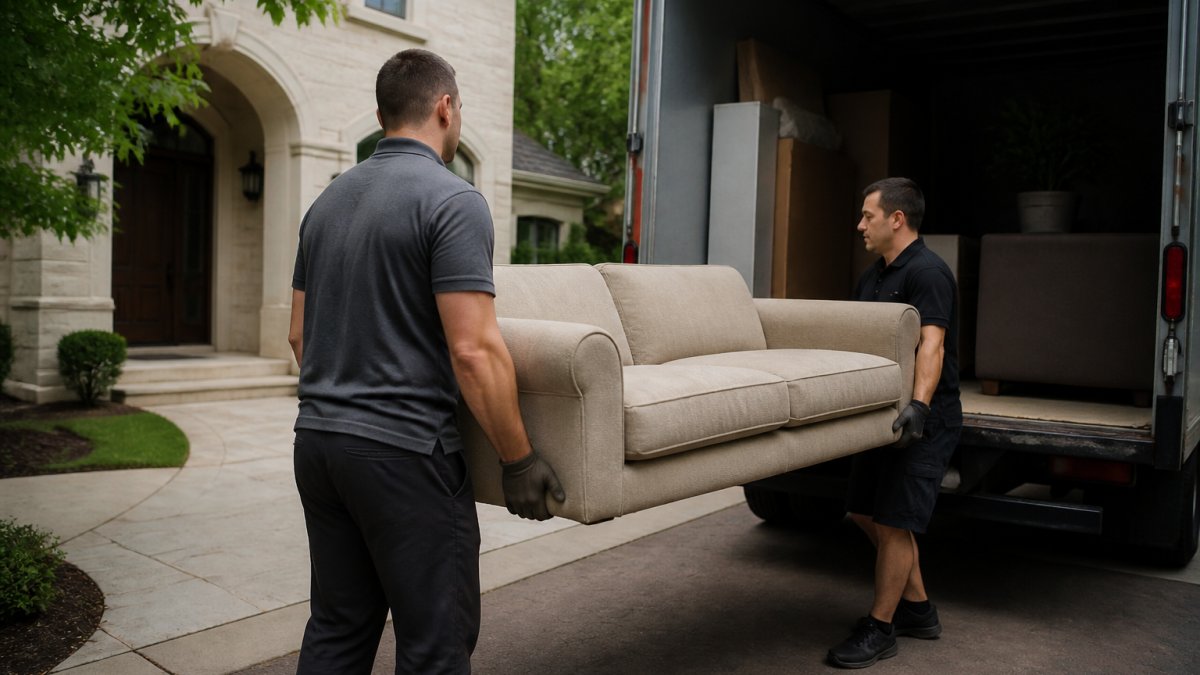
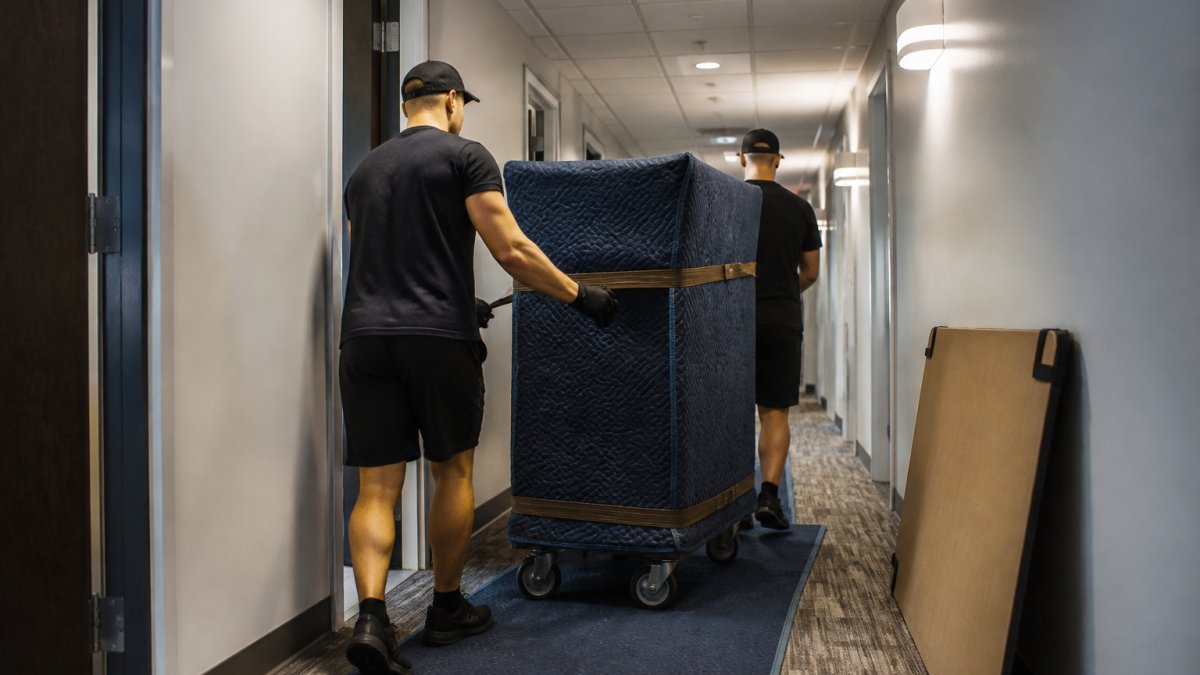
Heavy office furniture, filing cabinets, large desks, conference tables, can weigh 200+ pounds. Moving them through doorways, down hallways, and down stairs requires equipment and technique.
Specialized equipment includes safes, large copiers, server racks, and industrial shelving. These items often have specific removal requirements. Safes, for example, can weigh 500+ pounds. They need proper dollies and careful maneuvering to prevent floor damage.
Load & Leave's experience with commercial extraction means they've handled a full range of items. This experience matters because it prevents the common mistake of underestimating what's involved in removal.
Safety and Liability Protocols for After-Hours Work
After-hours work introduces specific safety considerations. Lighting may be limited. Building access may be restricted. Emergency services response time could be longer. Professional removal crews account for these factors.
Proper liability insurance is non-negotiable.
Safety protocols for after-hours work include proper lighting setup, clear communication between crew members, secure staging of items being removed, and careful attention to floor protection. Heavy items can damage floors.
Scheduling Tools and Platforms for After-Hours Extraction
The right scheduling tool makes coordination seamless. For commercial clients managing multiple removal projects, or for removal companies handling complex schedules, dedicated scheduling software eliminates the back-and-forth of email and phone calls.
Scheduling tools for heavy item extraction need specific capabilities: they must handle time-slot blocking for after-hours work, support complex logistics like building access and equipment requirements, and provide real-time visibility into job status.
General-purpose scheduling tools like Calendly work for simple bookings but lack features specific to field service work. They don't track equipment, manage crew assignments, or optimize routing for multiple jobs. For heavy item extraction, where logistics matter as much as scheduling, specialized field service management platforms are more appropriate.
Comparing Scheduling Solutions: Features and Fit
| Platform | Best For | Key Strength | Limitation |
|---|---|---|---|
| Load & Leave | Direct booking | Custom quotes, same-day availability | Specialized for removal (not scheduling software) |
| Jobber | Small-to-medium teams | Intuitive interface, mobile app | Advanced features on higher tiers |
| ServiceTitan | Enterprise operations | Complex dispatch, advanced reporting | Expensive, steep learning curve |
| Workiz | Multi-team coordination | Drag-and-drop scheduling, GPS tracking | Steeper learning curve |
| Calendly | Simple bookings | Easy setup, calendar integration | Lacks field service features |
For removal companies, the choice depends on team size and operational complexity. Solo operators or small teams (1-3 crews) often find Jobber sufficient. Larger operations managing dozens of jobs weekly benefit from ServiceTitan's reporting and dispatch optimization.
For commercial clients booking removal, the simplest approach is direct contact with the removal company. Load & Leave's model, custom quotes and direct communication with owners, eliminates the need for intermediary scheduling software. You call, discuss your specific needs, get a transparent quote, and schedule removal that works for your timeline.
Jobber: Intuitive Scheduling for Small-to-Medium Service Teams
Jobber is a field service management platform designed for service businesses managing crews and schedules.
The interface is genuinely intuitive. A new user can navigate the scheduling board, assign jobs to crews, and send client notifications without extensive training.
What works: The platform handles recurring jobs well, which is useful for businesses with regular commercial contracts. Automated reminders to clients reduce no-shows.
What doesn't: Advanced features, custom reporting, complex workflow automation, advanced analytics, require higher pricing tiers.
Best for: Removal companies with 2-5 crews managing 20-50 jobs per month. Small enough to not need enterprise complexity.
ServiceTitan: Enterprise-Grade Dispatch for Complex Operations
ServiceTitan is designed for large service operations managing dozens of crews, hundreds of jobs, and complex logistics.
The platform excels at complexity.
What works: The dispatch board optimizes routing for multiple jobs, reducing drive time between appointments.
What doesn't: ServiceTitan is expensive. Pricing requires contacting sales, but enterprise platforms typically cost $200+ per month per user.
Best for: Large removal companies managing 100+ jobs monthly across multiple service areas.
The real value in flexible scheduling heavy item extraction comes from working with professionals who understand your specific constraints.
When you need after-hours removal, timing and professionalism matter equally. Get a free quote from Load & Leave and see how flexible scheduling can simplify your commercial cleanout.
Frequently Asked Questions
Why is after-hours scheduling critical for commercial heavy item removal?
After-hours scheduling prevents operational disruption during business hours, allows employees to maintain normal workflow, and reduces liability risks from active workplace traffic. Heavy equipment extraction requires focused attention and clear workspace, which is difficult when staff are present. Off-peak scheduling also reduces costs by optimizing crew efficiency and minimizing site access coordination complexity.
What types of heavy commercial items require specialized extraction services?
Specialized extraction handles office equipment like industrial filing systems, server racks, and HVAC units; and furniture including executive desks, conference tables, and modular workstations. Items requiring disassembly or fitting through tight doorways and stairwells demand professional assessment and custom removal planning to prevent damage and ensure safety.
How does flexible scheduling impact business continuity during office cleanouts?
Flexible scheduling allows businesses to plan removals during off-peak hours, weekends, or after-hours, eliminating downtime and keeping operations running smoothly. This approach lets companies schedule heavy equipment removal around critical deadlines, client meetings, or revenue-generating activities. After-hours commercial office cleanout planning ensures minimal disruption to staff productivity and maintains professional appearance during business hours.
What safety protocols should be followed during after-hours commercial extraction?
After-hours extraction requires proper lifting techniques and insurance coverage. Crews must secure the work area, use appropriate personal protective equipment, maintain clear egress routes, and follow building-specific safety requirements. Documentation of liability coverage and incident reporting procedures protects both the service provider and commercial client from legal exposure.
Frequently asked questions
After-hours scheduling prevents operational disruption during business hours, allows employees to maintain normal workflow, and reduces liability risks from active workplace traffic. Heavy equipment extraction requires focused attention and clear workspace, which is difficult when staff are present. Off-peak scheduling also reduces costs by optimizing crew efficiency and minimizing site access coordination complexity.
Specialized extraction handles office equipment like industrial filing systems, server racks, and HVAC units; and furniture including executive desks, conference tables, and modular workstations. Items requiring disassembly or fitting through tight doorways and stairwells demand professional assessment and custom removal planning to prevent damage and ensure safety.
Flexible scheduling allows businesses to plan removals during off-peak hours, weekends, or after-hours, eliminating downtime and keeping operations running smoothly. This approach lets companies schedule heavy equipment removal around critical deadlines, client meetings, or revenue-generating activities. After-hours commercial office cleanout planning ensures minimal disruption to staff productivity and maintains professional appearance during business hours.
After-hours extraction requires proper lifting techniques and insurance coverage. Crews must secure the work area, use appropriate personal protective equipment, maintain clear egress routes, and follow building-specific safety requirements. Documentation of liability coverage and incident reporting procedures protects both the service provider and commercial client from legal exposure.