Table of Contents
- What Sets Honest Hauling Apart From National Chains
- Estate Cleanout Services Cost: Understanding Transparent Pricing
- Probate Property Cleanout Checklist: What to Handle Before Hauling Begins
- How to Manage Estate Junk Removal as an Executor
- Why Same-Day Service Matters for Probate Timelines
- Verifying Insurance, Professionalism, and Discretion
- Frequently Asked Questions
Last Updated: October 7, 2026
What Sets Honest Hauling Apart From National Chains
When you're managing an estate cleanout, the last thing you need is surprise fees or a crew that treats your home like a warehouse. National chains operate on volume and standardized pricing models. They charge by truck space, add fuel surcharges, and often leave you scrambling to understand what you're actually paying for. Load & Leave works differently.
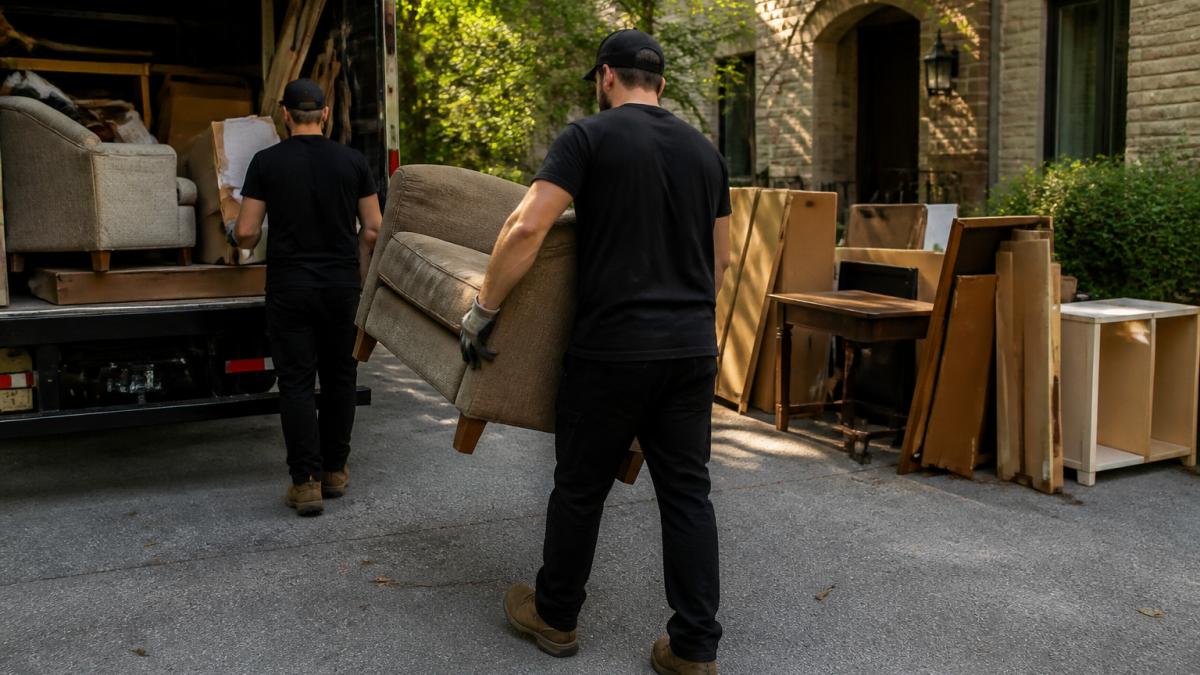
The difference shows up in how we handle the work itself. Most national franchises move fast because speed drives their margins. We move fast because we respect your time and your property. Our crew uses floor protection on every job, treats your furniture and belongings with care during removal, and leaves your space immaculate when we're done. For estate cleanouts especially, discretion isn't optional, it's essential.
Estate Cleanout Services Cost: Understanding Transparent Pricing
Estate cleanout pricing depends on the volume of items, the complexity of access, and what happens to those items after removal. Rather than charging by the truckload, we assess the actual work involved and quote accordingly, delivering honest hauling no hidden fees.
When you call for a quote, we ask specific questions: How many rooms? Are there heavy items like pianos, safes, or antique furniture? What's the layout of your home, narrow hallways, tight basement stairs, multiple flights?
The pricing conversation should also cover what's included. Load & Leave includes labor, loading, hauling, and disposal in our quote. We don't charge extra for fuel, for using dollies and equipment, or for protecting your floors and walls.
Probate Property Cleanout Checklist: What to Handle Before Hauling Begins
An estate cleanout as an executor or administrator involves more than just removing junk. You need to protect documents, identify valuables, and handle items responsibly. Before you call for hauling, take these steps.
Protecting Documents and Valuables
Start by securing anything legally or financially important. Bank statements, insurance policies, deeds, wills, and tax documents should be set aside and stored safely, not left in a pile for a hauling crew to navigate around. If you're unsure what's valuable, ask a probate attorney. Some estates include jewelry, artwork, or collectibles that need appraisal or special handling before removal.
Check for cash, bonds, or valuables hidden in furniture or desk drawers. This sounds obvious, but it happens, heirs discover money in an old coat pocket after the coat is already in the truck. Take time to go through drawers, closets, and storage areas yourself or with a family member.
Sorting for Donations and Recycling
Many items in an estate, furniture, clothing, kitchen equipment, books, can be donated. Sorting these before the hauling crew arrives makes the job faster and gives you documentation for tax deductions. Separate items into clear categories: donate, recycle, sell, and discard. If you're planning an estate sale, set those items aside completely.
Load & Leave can coordinate with local donation centers, but the sorting work is yours. This also gives you a chance to find sentimental items that family members might want. An old photo album, a piece of jewelry, or a quilt has no resale value but immense personal value, you don't want these ending up in a donation pile.
| Task | Timing | Responsibility |
|---|---|---|
| Secure documents and valuables | Before hauling | Executor/Administrator |
| Appraise high-value items | Before hauling | Professional appraiser (if needed) |
| Sort donations and recyclables | Before hauling | Executor/Administrator |
| Coordinate with donation centers | Before hauling or same day | Load & Leave can assist |
| Schedule hauling crew | 1-2 weeks before target date | Executor/Administrator |
How to Manage Estate Junk Removal as an Executor
Your role as executor or administrator is to coordinate the cleanout and protect the estate, not to do the physical work yourself. That means knowing who can authorize removal, what the court expects, and how to keep the process defensible if a beneficiary later questions what happened to an item.
Confirm Who Can Authorize Removal
Before any crew touches the property, confirm the chain of authority in writing. A hauling provider should not remove items based on a phone call alone. In practice, that means:
- The executor or administrator named in the court-issued letters (often called Letters Testamentary or Letters of Administration) provides a copy and signs the work authorization.
- If a real estate agent, property manager, or family member is coordinating, they should have written authorization from the executor on file.
- If the estate is still early in probate and no one has been appointed, pause non-urgent removal until authority is clear. A probate attorney can confirm the right sequence.
A common pattern is for two or more heirs to disagree about what should be kept. Documenting who authorized removal, and when, is the simplest way to prevent that dispute from landing on the hauling company or on you.
Build a Simple Probate Cleanout Timeline
Probate timelines vary by state and by whether the will is contested, but most executors work against a few recurring deadlines: a court inventory or accounting date, a creditor claim window, a scheduled appraisal or inspection, and a target closing date if the home is being sold. Work backward from those dates rather than forward from "when can the crew come."
| Milestone | Typical Lead Time | Who Owns It |
|---|---|---|
| Confirm executor authority and letters | Before any removal | Executor / probate attorney |
| Photograph and inventory contents | 1-2 weeks before hauling | Executor or family |
| Separate documents, valuables, and sentimental items | Before hauling | Executor |
| Appraise high-value items | 2-4 weeks before hauling | Professional appraiser |
| Schedule hauling crew | 1-2 weeks before target date | Executor |
| Final walkthrough and documentation | Day of hauling | Executor and crew lead |
If a court date, inspection, or closing is close, tell the hauling provider that upfront. Urgency changes scheduling, not the authorization steps.
Coordinate With the Right Professionals
Your probate attorney handles legal questions about the estate, including what can be sold, distributed, or discarded. A real estate agent handles listing prep and staging. An appraiser handles valuation of items that may need to be reported to the court. The hauling provider handles removal, loading, disposal, and donation routing. Keeping those roles separate prevents anyone from giving advice outside their scope.
Hauling providers do not give legal advice, and they should not be asked to decide what is or is not part of the estate. If an item's status is unclear, set it aside and get direction before removal.
Why Same-Day Service Matters for Probate Timelines
Probate runs on a calendar you do not fully control. Court inventory and accounting dates, creditor claim windows, scheduled appraisals, inspection appointments, and a target closing date all compete for the same weeks. A property that sits full of furniture can block an appraisal, delay listing photos, or push a closing past a rate-lock expiration. Clearing the home is often the step that unlocks everything downstream.
When Speed Actually Changes the Outcome
Same-day or next-day hauling matters most in a few recurring situations:
- A closing date is already set. Furniture and debris in the home can delay the final walkthrough or the buyer's inspection. Emptying the property early removes that risk.
- An appraiser or inspector is scheduled. Appraisers need clear access to rooms, attics, basements, and mechanical systems. Clutter can lower a valuation or force a return visit.
- Property taxes or carrying costs are accruing. An empty home is cheaper to insure, easier to secure, and faster to list.
- A court or attorney deadline is close. If the estate must show the property has been cleared or inventoried by a certain date, scheduling flexibility matters.
- Family needs closure. Beneficiaries often cannot move forward until the home is emptied and distributed.
A Practical Scheduling Checklist
Use this before you call for service so the crew can commit to a real date instead of a range:
- Confirm executor authority is documented and a signed work authorization is ready.
- Finish your own pass for documents, cash, jewelry, and sentimental items.
- Mark anything that needs appraisal, special movers, or a locksmith (pianos, safes, large antiques).
- Note access constraints: narrow hallways, tight basement stairs, elevator size, parking, gate codes.
- Decide where usable items should go: donation, recycling, resale, or landfill.
- Ask for a written quote that itemizes labor, loading, hauling, disposal, and any special-handling charges.
- Confirm the crew's arrival window, expected duration, and what documentation you will receive afterward.
What "Fast" Should Not Cost You
Speed is only useful if the work is done correctly. A rushed job that damages doorframes, leaves items behind, or mixes donation and landfill loads creates new problems. The right trade-off is a provider who can move quickly because they have crew capacity and a clear scope, not because they skip floor protection, sorting, or documentation.
If you are managing several tasks at once, meeting with the probate attorney, coordinating with a real estate agent, notifying beneficiaries, and handling the property itself, a confirmed same-day or next-day window removes one variable from a schedule you are already juggling. Ask upfront whether the quote holds if the job runs longer than expected, and get the answer in writing.
Verifying Insurance, Professionalism, and Discretion
Before you hire any hauling service, verify that they're legitimate and protected. Ask for proof of general liability insurance.
Ask about the crew. For an estate cleanout, discretion means the crew respects your privacy and your neighbors'.
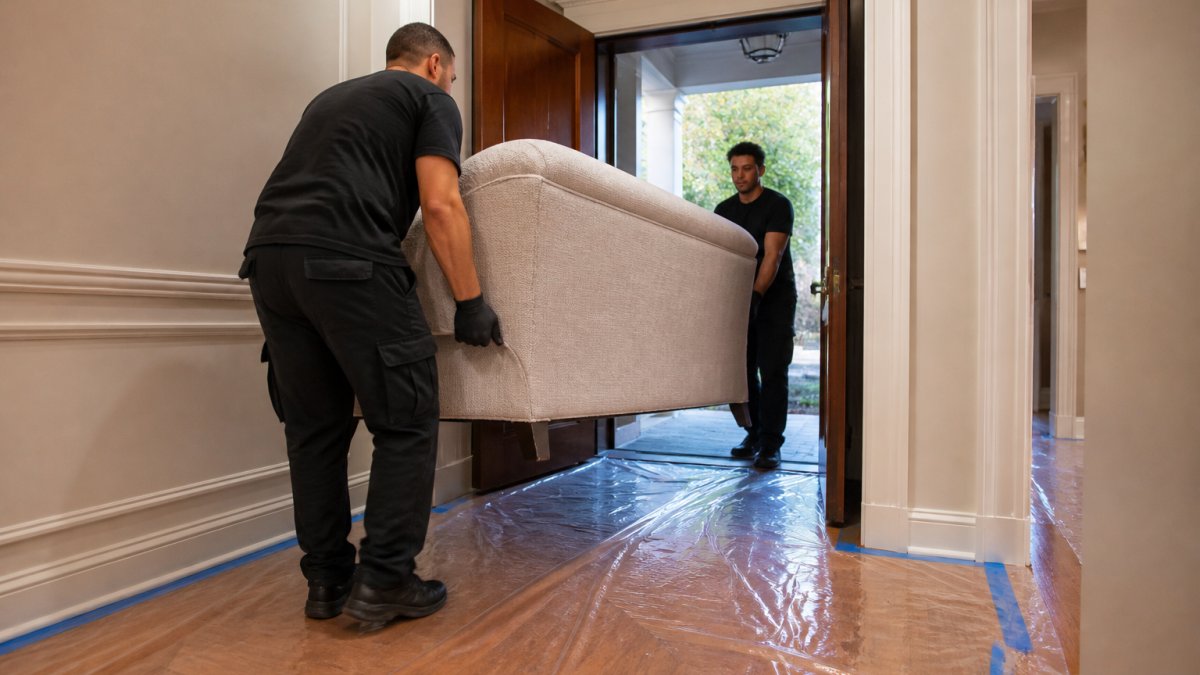
Check references if possible. Ask the company if they've handled probate cleanouts before. Load & Leave has worked with executors, real estate agents, and property managers on estates of all sizes.
Finally, verify that the company will handle disposal responsibly. Ask where items go, are they recycled, donated, or landfilled? Responsible disposal is part of honest hauling.
Frequently Asked Questions
What's actually included in a transparent quote for honest hauling with no hidden fees?
A transparent quote specifies labor, loading, hauling, and disposal or donation costs upfront. It identifies what's excluded (e.g., hazardous materials, heavy machinery) and confirms whether same-day service is available. Reputable providers give no-obligation estimates in writing and don't add surprise charges after work begins. Ask for a breakdown of each cost component so you understand exactly what you're paying for.
How are junk removal fees typically calculated for probate properties?
Fees depend on the volume of items, weight, labor required, and disposal method. Some services charge by truck space occupied; others by hourly labor. Estate cleanouts often cost more than standard junk removal because they require careful sorting, handling of sentimental items, and coordination with executors or heirs. Request an itemized estimate that accounts for the specific scope of your probate property cleanout.
What should an executor look for in a professional estate cleanout service?
Verify insurance to protect the estate from liability. Confirm the service handles probate-specific work, including discretion with sensitive items and documentation. Ask whether they coordinate directly with you rather than through a call center. Seek providers offering same-day or next-day service, transparent pricing, floor protection, and references from other estate cleanouts. Direct communication with owners or managers is a strong indicator of accountability.
How do I ensure discretion and protect my privacy during an estate cleanout?
Choose a locally owned service that prioritizes discretion and understands probate sensitivity. Confirm they use enclosed trucks or tarps to conceal items during removal. Request after-hours or scheduled service to minimize neighbor visibility. Discuss how they handle documents and valuables, and verify they won't photograph or publicize your property. Direct owner communication ensures your privacy concerns are respected throughout the process.
Managing an estate cleanout is one of the harder tasks an executor faces. You're balancing legal requirements, family expectations, timelines, and the emotional weight of clearing a home. Choosing a hauling service that's transparent, professional, and local removes one major source of stress. Load & Leave provides fast, honest hauling with no hidden fees because we quote based on your actual situation and stand behind our work. Get a free quote today and see how we can help you move forward.
Frequently asked questions
A transparent quote specifies labor, loading, hauling, and disposal or donation costs upfront. It identifies what's excluded (e.g., hazardous materials, heavy machinery) and confirms whether same-day service is available. Reputable providers give no-obligation estimates in writing and don't add surprise charges after work begins. Ask for a breakdown of each cost component so you understand exactly what you're paying for.
Fees depend on the volume of items, weight, labor required, and disposal method. Some services charge by truck space occupied; others by hourly labor. Estate cleanouts often cost more than standard junk removal because they require careful sorting, handling of sentimental items, and coordination with executors or heirs. Request an itemized estimate that accounts for the specific scope of your probate property cleanout.
Verify insurance to protect the estate from liability. Confirm the service handles probate-specific work, including discretion with sensitive items and documentation. Ask whether they coordinate directly with you rather than through a call center. Seek providers offering same-day or next-day service, transparent pricing, floor protection, and references from other estate cleanouts. Direct communication with owners or managers is a strong indicator of accountability.
Choose a locally owned service that prioritizes discretion and understands probate sensitivity. Confirm they use enclosed trucks or tarps to conceal items during removal. Request after-hours or scheduled service to minimize neighbor visibility. Discuss how they handle documents and valuables, and verify they won't photograph or publicize your property. Direct owner communication ensures your privacy concerns are respected throughout the process.