Table of Contents
- Why Proper Handling of Family Heirlooms Matters
- 1. Store Items in a Cool, Dry, Stable Environment
- 2. How to Preserve Family Heirlooms: Avoid High-Risk Storage Locations
- 3. Protect Against Moisture, Heat, Light, and Temperature Swings
- 4. Family Heirloom Storage Ideas: Use Archival and Acid-Free Materials
- 5. Preserving Old Family Photographs and Documents
- 6. Handle Objects with Care and Clean Hands
- 7. Material-Specific Care for Textiles, Metal, Wood, and Ceramics
- Frequently Asked Questions
Last Updated: October 17, 2026
Why Proper Handling of Family Heirlooms Matters
Handling family heirlooms correctly is the foundation of preservation. These items carry your family's history and emotional weight. One careless moment can damage something irreplaceable.
The challenge isn't complicated. Most people simply don't know what causes damage. Dust, moisture, heat, and light are the main culprits. Improper storage locations make things worse. The good news: following these 10 best practices for handling family heirlooms protects what matters most.
We understand the value of these pieces, both financially and emotionally. That's why we've compiled this guide to help you preserve your family's legacy with confidence.
1. Store Items in a Cool, Dry, Stable Environment
The best storage environment stays between 60-70°F with 30-40% humidity. Temperature swings cause materials to expand and contract. This damages wood, metal, paper, and textiles over time.
Stable conditions matter more than perfect conditions. A cool basement that stays at 55°F year-round is better than a room that swings between 65°F and 75°F. Consistency prevents stress on materials.
Avoid these locations:
- Attics (temperature swings, heat buildup)
- Basements (moisture and flooding risk)
- Garages (temperature extremes, chemical fumes)
- Near windows (light exposure, heat)
- Kitchens and bathrooms (humidity spikes)
A climate-controlled closet, interior bedroom, or dedicated storage room works well. The space should have minimal temperature or humidity changes throughout the year.
2. How to Preserve Family Heirlooms: Avoid High-Risk Storage Locations
Location determines whether your heirlooms survive or deteriorate. The wrong spot can ruin items in months.
Basements pose multiple threats. Water seeps through walls during heavy rain. Pipes burst. Humidity rises from the ground itself. Even "dry" basements have moisture problems that damage paper documents and photographs.
Attics get too hot in summer. Temperature can exceed 130°F. Heat accelerates deterioration of all materials. Roof leaks are common. Pests nest in attics and eat through textiles and wood.
Direct sunlight fades colors and weakens materials. Ultraviolet light breaks down paper, fabric, and leather. Keep items away from windows. Close blinds and curtains in rooms where you store heirlooms.
Garages expose items to temperature swings, chemical fumes from cars and tools, and pest activity. Kitchens and bathrooms create humidity spikes from cooking and showers. These environments are hostile to preservation.
The safest locations share these traits:
- Interior rooms (no outside walls)
- Climate-controlled spaces
- No water sources nearby
- Limited light exposure
- Pest-free environment
3. Protect Against Moisture, Heat, Light, and Temperature Swings
Moisture is the enemy of every heirloom material. It causes mold growth, rust, and paper deterioration. Heat accelerates chemical breakdown. Light fades colors and weakens fibers. Temperature fluctuations stress materials physically.
Moisture control starts with your storage space. Use a dehumidifier if humidity exceeds 50%. Check for leaks, condensation, or musty smells. Silica gel packets absorb excess moisture inside storage containers.
Heat exposure damages everything. Keep items away from heating vents, radiators, and direct sunlight. Attics and garages reach dangerous temperatures. Interior closets stay cooler and more stable.
Light protection is simple. Store items in opaque containers or boxes. If you display heirlooms, use UV-filtering glass or acrylic. Keep displayed items away from windows.
Temperature stability matters more than the exact temperature. A room that stays at 55°F is better than one that swings between 50°F and 70°F. Basements and attics have the worst temperature swings.
4. Family Heirloom Storage Ideas: Use Archival and Acid-Free Materials
Regular cardboard boxes and plastic containers damage heirlooms. They contain acids and chemicals that deteriorate paper, textiles, and photographs over decades.
Archival-quality materials are chemically stable. They don't off-gas harmful substances. They won't degrade your items. This is the single most important investment you can make for preservation.
Use these materials for storage:
- Acid-free boxes and folders
- Archival tissue paper (not regular tissue)
- Cotton gloves for handling
- Unbleached muslin for wrapping textiles
- Acid-free dividers for stacking items
- Archival storage containers with lids
Avoid these materials:
- Regular cardboard (contains acid)
- Plastic bags and containers (trap moisture, off-gas)
- Newspaper (acid, ink transfer)
- Regular tissue paper (acid)
- Rubber bands (deteriorate, stain items)
- Direct contact with wood (can transfer tannins)
Label everything with archival-quality tape and markers. Pencil is safest for writing on archival materials. Never use ballpoint pens or markers that bleed.
Organization systems help too. Sort items by type and material. Group similar pieces together. This makes items easier to find without excessive handling.
5. Preserving Old Family Photographs and Documents
Photographs and documents are especially vulnerable. Paper deteriorates quickly in poor conditions. Photographs fade and develop mold spots. Documents become brittle and unreadable.
For photographs:
- Store in acid-free sleeves or boxes
- Never use regular photo albums (adhesive damages prints)
- Avoid rubber bands or paper clips (leave marks and stains)
- Handle with clean, dry hands or cotton gloves
- Keep away from moisture and light
- Consider digitizing originals as backup
For documents and certificates:
- Use acid-free folders and boxes
- Store flat, not rolled (prevents creasing)
- Never fold or crease documents
- Keep away from moisture
- Avoid direct sunlight
- Use archival-quality storage materials
Digitization is valuable insurance. Scan important documents and photographs at high resolution. Store digital copies on external hard drives and cloud storage. Digital backups ensure your family's records survive even if originals are damaged.
6. Handle Objects with Care and Clean Hands
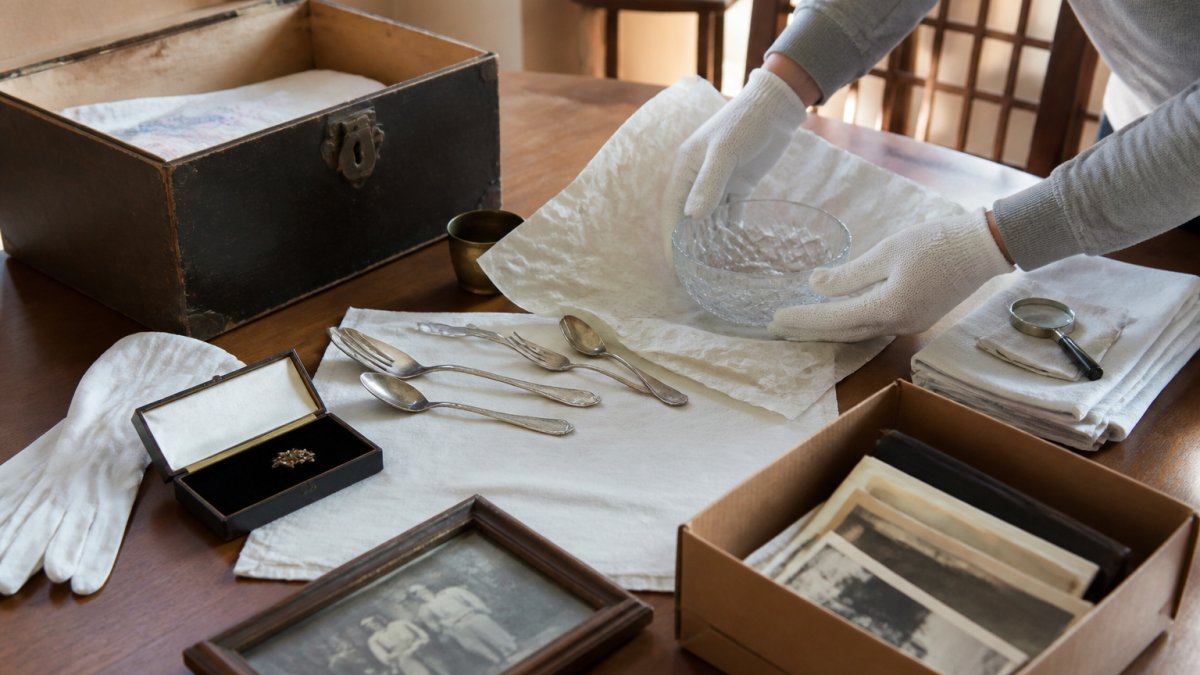
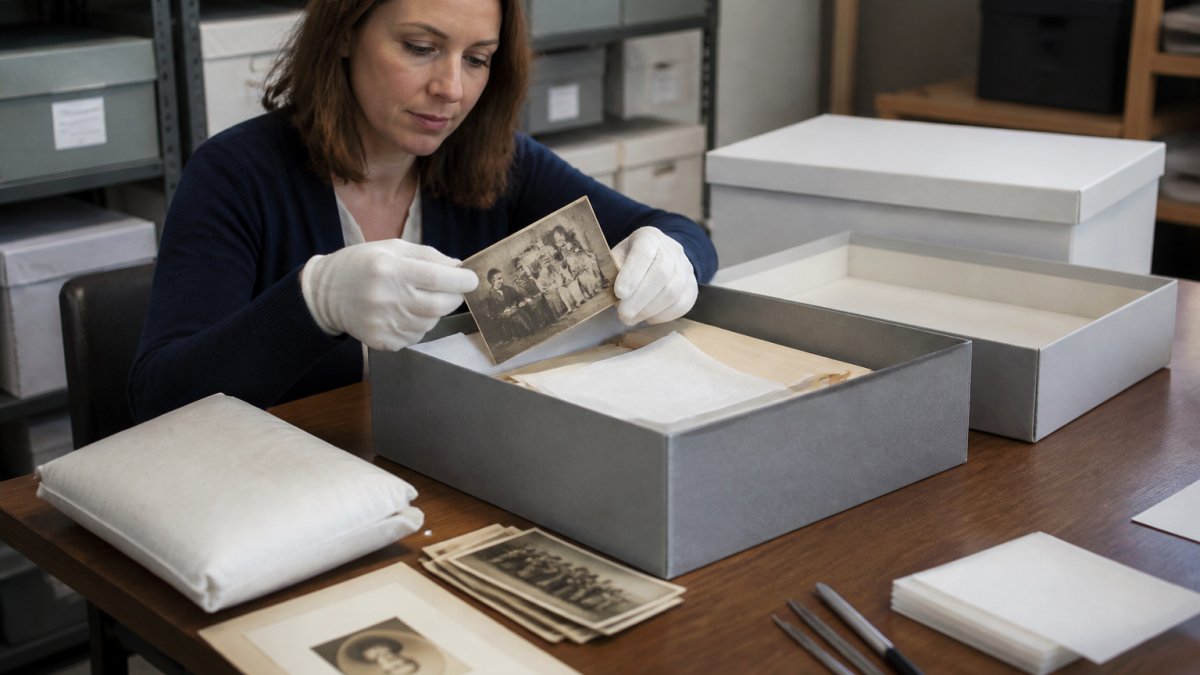
How you touch heirlooms matters. Oils, dirt, and moisture on hands transfer to items and cause permanent damage. Fingerprints attract dirt and can corrode metal.
Always wash hands before handling heirlooms. Use mild soap and dry completely. Better yet, wear clean cotton gloves. Latex gloves are acceptable but less ideal than cotton.
Handling rules:
- Support items from underneath
- Never grab or squeeze
- Use both hands for heavy items
- Avoid touching decorated surfaces
- Don't hold items over other pieces
- Set items down gently on clean surfaces
- Never stack items without protection between them
Minimize handling when possible. Every touch introduces risk. Move items only when necessary. Plan your storage so you don't need to move things frequently.
Clean your storage area regularly. Dust attracts pests and contains particles that scratch surfaces. Use a soft brush or vacuum with a filter. Wipe shelves with a damp cloth. Keep the space clean but dry.
7. Material-Specific Care for Textiles, Metal, Wood, and Ceramics
Different materials need different care. Understanding what you're preserving helps you protect it properly.
Textiles (clothing, quilts, linens):
- Store flat, not hanging (gravity causes stress)
- Use acid-free tissue paper between folds
- Wrap in unbleached muslin
- Keep away from moths and insects
- Never use mothballs (they damage fabric)
- Avoid direct sunlight (fades colors)
- Store in cool, dry conditions
Metal (jewelry, silverware, tools):
- Wrap in acid-free tissue
- Store in cool, dry environment
- Avoid touching polished surfaces
- Never use abrasive cleaners
- Monitor for rust or tarnish
- Keep away from salt air and humidity
- Store in individual wrapped packages
Wood (furniture, boxes, frames):
- Maintain stable humidity (30-40%)
- Avoid direct sunlight (bleaches and warps)
- Keep away from heat sources
- Don't place heavy items on top
- Dust gently with soft cloth
- Avoid harsh cleaners
- Monitor for woodworm or insect damage
Ceramics and glass (dishes, vases, figurines):
- Wrap individually in acid-free tissue
- Use acid-free dividers when stacking
- Store in sturdy boxes with cushioning
- Keep away from vibration
- Avoid temperature swings
- Handle with both hands
- Store upright when possible
Different materials also respond differently to moisture and temperature. Ceramics are relatively stable. Textiles are sensitive to humidity. Wood expands and contracts with moisture changes. Metal corrodes in humid conditions. Understanding these differences helps you choose the right storage location and conditions.
Frequently Asked Questions
How should you handle family heirlooms safely?
Always wash and dry your hands thoroughly before touching heirlooms, or wear clean cotton gloves to prevent oils and dirt from transferring to surfaces. Support delicate items with both hands, never grip them tightly, and avoid touching photographs, documents, or artwork on their surfaces. Store items in archival-quality containers away from direct sunlight, extreme temperatures, and moisture. When moving heirlooms, use padded boxes and wrap fragile pieces individually in acid-free tissue paper. If an item feels unstable or fragile, consult a professional conservator before attempting to move or clean it.
What is the best way to store family heirlooms?
The ideal storage environment maintains a temperature between 65-70°F and humidity levels between 30-50%. Store items in a cool, dry interior closet or spare room away from basements, attics, and exterior walls prone to temperature swings and moisture. Use acid-free archival boxes, folders, and protective enclosures designed for long-term preservation. Keep collections organized by category and type, label containers clearly, and maintain an inventory with photographs and descriptions. Avoid plastic containers that trap moisture, and keep items elevated on shelves rather than on floors where water damage is more likely.
How do you preserve old family photographs and documents?
Store photographs in acid-free, lignin-free folders or sleeves, never in plastic or regular paper envelopes. Keep them in a cool, dry location away from direct sunlight, which causes fading. Documents and certificates should be housed in archival-quality folders with acid-free dividers. Never use tape, adhesive, or rubber bands on originals. Consider digitizing important documents and photographs as a backup, but store the digital files securely and keep originals in their archival containers. Handle photographs only by the edges, and wear clean cotton gloves to prevent fingerprints and oils from damaging the surface.
When should you consult a professional conservator?
Contact a conservator if an heirloom shows signs of active deterioration, mold, water damage, insect damage, or structural weakness. Seek professional help before attempting to clean, repair, or restore valuable items, as improper handling can cause permanent damage. Conservators can assess damage, recommend preservation strategies, and perform specialized cleaning and repair work that protects the item's integrity and historical value. They can also advise on proper storage conditions and handling techniques specific to your collection's materials and condition.
When heirlooms are already damaged or you're managing a large collection during an estate cleanout, professional help saves time and prevents further loss. Load & Leave specializes in careful handling of sensitive items during estate clearing and downsizing. Our team treats every piece with the discretion and care your family's legacy deserves. Get a Free Quote and let us help you preserve what matters while creating space for what's next.
Frequently asked questions
Always wash and dry your hands thoroughly before touching heirlooms, or wear clean cotton gloves to prevent oils and dirt from transferring to surfaces. Support delicate items with both hands, never grip them tightly, and avoid touching photographs, documents, or artwork on their surfaces. Store items in archival-quality containers away from direct sunlight, extreme temperatures, and moisture. When moving heirlooms, use padded boxes and wrap fragile pieces individually in acid-free tissue paper. If an item feels unstable or fragile, consult a professional conservator before attempting to move or clean it.
The ideal storage environment maintains a temperature between 65-70°F and humidity levels between 30-50%. Store items in a cool, dry interior closet or spare room away from basements, attics, and exterior walls prone to temperature swings and moisture. Use acid-free archival boxes, folders, and protective enclosures designed for long-term preservation. Keep collections organized by category and type, label containers clearly, and maintain an inventory with photographs and descriptions. Avoid plastic containers that trap moisture, and keep items elevated on shelves rather than on floors where water damage is more likely.
Store photographs in acid-free, lignin-free folders or sleeves, never in plastic or regular paper envelopes. Keep them in a cool, dry location away from direct sunlight, which causes fading. Documents and certificates should be housed in archival-quality folders with acid-free dividers. Never use tape, adhesive, or rubber bands on originals. Consider digitizing important documents and photographs as a backup, but store the digital files securely and keep originals in their archival containers. Handle photographs only by the edges, and wear clean cotton gloves to prevent fingerprints and oils from damaging the surface.
Contact a conservator if an heirloom shows signs of active deterioration, mold, water damage, insect damage, or structural weakness. Seek professional help before attempting to clean, repair, or restore valuable items, as improper handling can cause permanent damage. Conservators can assess damage, recommend preservation strategies, and perform specialized cleaning and repair work that protects the item's integrity and historical value. They can also advise on proper storage conditions and handling techniques specific to your collection's materials and condition.